Common Causes of Cracks and Damage in Concrete Driveways
If you're dealing with cracks or damage in your concrete driveway, local contractors can assess the causes and provide effective repair solutions to restore its condition.
Understanding the common causes of cracks and damage in concrete driveways can help property owners better maintain and protect their investments. Factors such as soil movement, improper installation, freeze-thaw cycles, and heavy loads are frequent contributors to driveway deterioration. Recognizing these issues early can prevent minor problems from escalating into costly repairs, making it worthwhile to explore solutions offered by experienced service providers in the area.
For those noticing cracks, uneven surfaces, or other signs of damage, connecting with local contractors who specialize in concrete driveway repair can provide practical solutions. These professionals have the expertise to diagnose the root causes of damage and recommend appropriate fixes, helping to restore the driveway’s appearance and functionality. Keep reading to learn more about what causes driveway issues and how trusted local service providers can assist in maintaining a durable, long-lasting concrete surface.
- Cracked concrete driveway repair - homeowners noticing surface cracks due to freeze-thaw cycles can rely on local contractors to assess and restore the integrity of the driveway.
- Damaged concrete driveway repair - when excessive weight or poor initial installation causes structural damage, local service providers can evaluate and perform necessary repairs.
- Concrete cracking due to settlement - signs of uneven settling or sinking may prompt residents to seek professional repair services to stabilize and fix the driveway.
- Surface spalling repair - areas where the surface begins to flake or peel often require expert intervention to remove damaged material and restore a smooth finish.
- Expansion joint repair - deteriorated or missing expansion joints can lead to cracking, and local contractors can replace or repair these to prevent further damage.
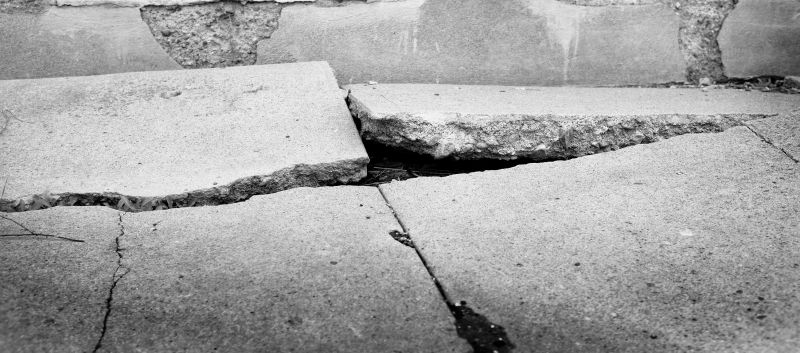
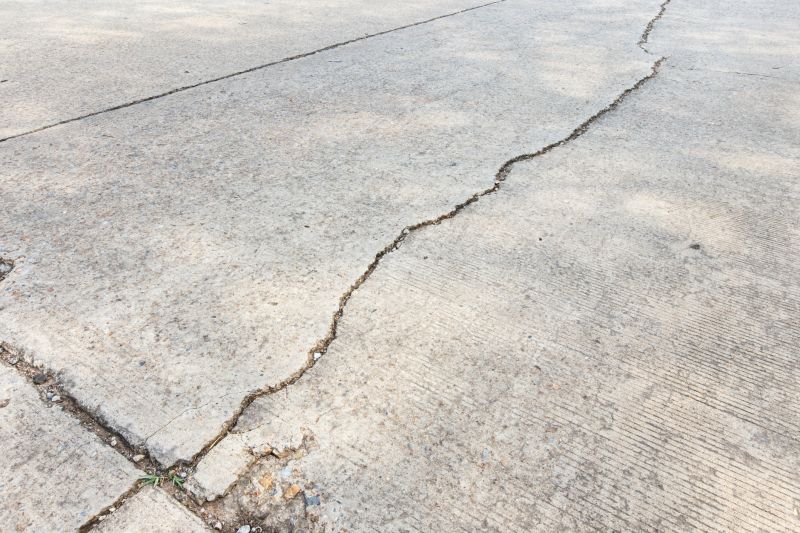
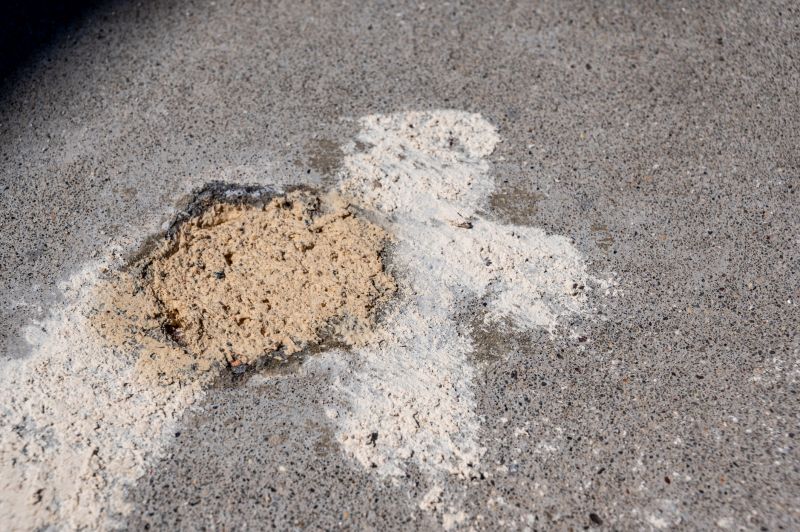
Understanding the common causes of cracks and damage in concrete driveways is essential for homeowners planning repairs or replacement. When people search for this topic, they often want to identify why their driveway is deteriorating and what factors are contributing to the problem. Cracks can develop over time due to various issues such as shifting soil, improper installation, or exposure to the elements. Recognizing these causes helps homeowners determine whether repairs are sufficient or if a full replacement might be necessary. This knowledge also guides decisions about maintenance and how to prevent future damage, making it a key concern for property owners looking to preserve the value and safety of their driveways.
The problems associated with cracks and damage in concrete driveways typically relate to structural integrity, appearance, and safety. For example, small surface cracks might seem minor but can lead to more extensive deterioration if left unaddressed. Larger cracks or sections of crumbling concrete can pose tripping hazards or cause drainage issues that lead to further damage. Homeowners often consider plans for repair, resurfacing, or complete replacement based on the extent of the damage. Local contractors specializing in concrete driveway repair can assess these issues, recommend appropriate solutions, and carry out necessary work to restore the driveway’s functionality and appearance.
Driveways are common features on residential properties, especially in suburban neighborhoods, but they also appear on commercial properties and multi-family complexes. The types of properties that frequently encounter issues with cracks and damage include single-family homes, apartment complexes, and small business premises. Factors such as heavy vehicle traffic, poor soil conditions, or lack of proper drainage can accelerate deterioration on these properties. Homeowners and property managers often seek the expertise of local service providers who understand the specific challenges posed by different property types. These professionals can diagnose the underlying causes of damage and recommend effective repair strategies tailored to each property’s unique needs.
Identifying the common causes of cracks and damage in concrete driveways helps homeowners connect their property’s issues with the appropriate repair solutions. Whether the damage results from soil movement, improper installation, or weather-related stress, local contractors are equipped to handle these problems efficiently. They can provide the necessary repairs to prevent further deterioration, improve the driveway’s appearance, and extend its lifespan. For property owners facing cracked or damaged concrete driveways, understanding these causes ensures they choose the right professionals for the job, leading to a durable and safe driveway that maintains the property’s value and curb appeal.
Concrete Repair Projects - These projects involve fixing cracks and damage in various concrete surfaces, requiring skills in assessing structural issues and applying proper repair techniques similar to driveway restoration.
Pavement and Asphalt Repair - Repairing cracks and damage in asphalt surfaces shares planning and surface preparation skills with concrete driveway repairs, often handled by the same local contractors.
Patio and Sidewalk Restoration - Restoring damaged patios and walkways involves understanding concrete deterioration causes and using repair methods comparable to those used in driveway repairs.
Foundation Crack Repair - Addressing foundation cracks demands knowledge of concrete movement and stress factors, aligning with the skills needed to diagnose and fix driveway cracks.
Garage Floor Repair - Repairing cracks and damage in garage floors involves similar surface assessment and repair techniques as concrete driveway restoration projects.
Stamped Concrete Restoration - Restoring decorative concrete surfaces requires expertise in surface preparation and crack concealment, paralleling the skills used in fixing cracked driveways.
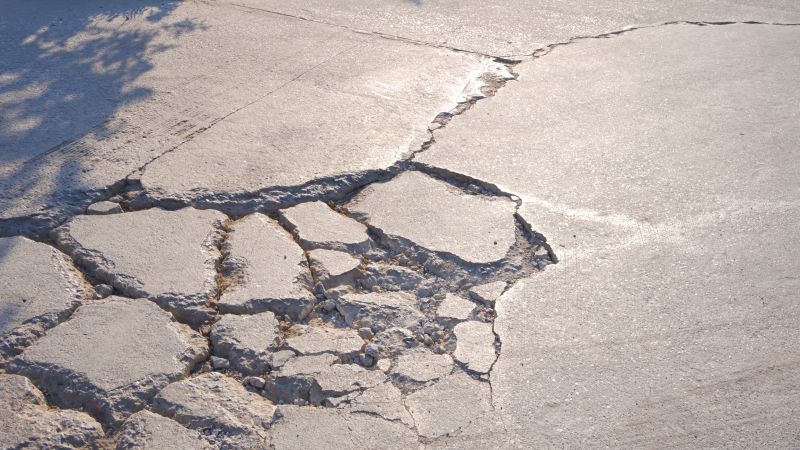
When evaluating service providers for cracked or damaged concrete driveway repair, it is essential to consider their experience with similar projects. Local contractors with a proven track record in addressing common causes of cracks and damage in concrete driveways are more likely to understand the underlying issues and recommend effective solutions. This experience can translate into more accurate assessments and durable repairs, reducing the likelihood of future problems. Homeowners should inquire about the types of driveway repairs a contractor has performed and whether they have encountered issues similar to those presented by their specific driveway condition.
Clear, written expectations are vital when comparing local pros for concrete driveway repair services. A detailed scope of work helps ensure that both parties agree on what the repair will entail, including addressing underlying causes such as soil movement, poor drainage, or improper installation. Well-defined expectations can prevent misunderstandings and provide a basis for assessing the scope, quality, and materials involved in the repair process. Homeowners are encouraged to request detailed proposals or estimates that outline the work to be performed, materials used, and any warranties or guarantees offered.
Good communication and reputable references are key indicators of reliable service providers in the concrete repair field. Local contractors who communicate clearly and promptly demonstrate professionalism and a commitment to customer satisfaction. Additionally, seeking references or reviews from previous clients who had similar driveway issues can provide insight into the quality of workmanship and the contractor’s ability to handle common causes of cracks and damage. These steps help homeowners make informed decisions and select service providers capable of delivering effective, lasting repairs tailored to the specific needs of their driveway.
Property owners often search for common causes of cracks and damage in concrete driveways when they are planning practical projects around their homes and businesses. Local pros provide Cracked or Damaged Concrete Driveway Repair services for everyday jobs and straightforward project options.
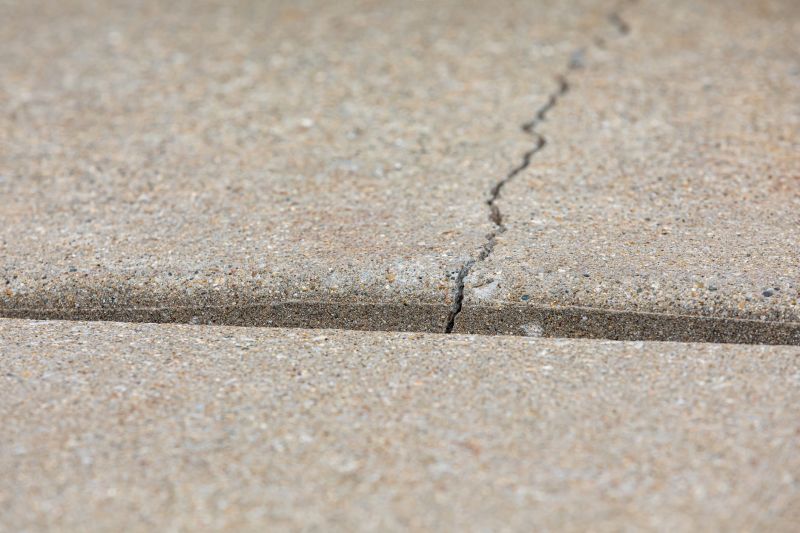
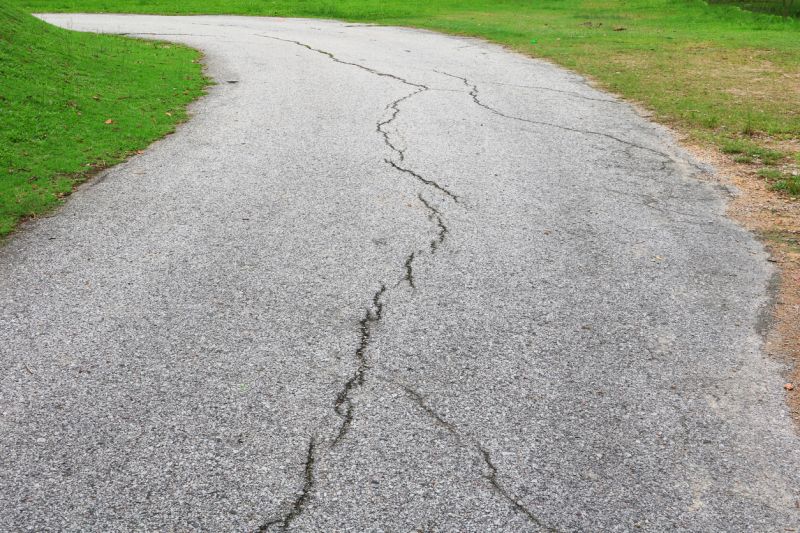
Understanding the common causes of cracks and damage in concrete driveways can help property owners identify potential issues early on. Everyday factors such as frequent exposure to freeze-thaw cycles, heavy vehicle traffic, or improper initial installation can all contribute to deterioration over time. Additionally, soil movement beneath the driveway, whether due to settling or expansion, often leads to surface cracking and unevenness. Recognizing these typical causes allows homeowners to better assess when repairs might be needed and highlights the importance of consulting experienced local contractors who specialize in cracked or damaged concrete driveway repairs.
Property owners in the area often seek out professional services to address these issues before they worsen. Local contractors can evaluate the extent of damage caused by these common factors and recommend appropriate repair solutions. Whether the problem stems from surface cracks, spalling, or more significant structural concerns, skilled service providers can help restore the driveway’s integrity and appearance. Connecting with experienced local pros ensures that repairs are handled efficiently and effectively, helping to maintain the safety and curb appeal of the property.
What are common causes of cracks and damage in concrete driveways? Common causes include freeze-thaw cycles, soil movement, improper mixing, and heavy loads that exceed the driveway’s capacity. Local contractors can assess these issues and recommend suitable repairs to prevent further damage.
How does soil movement lead to concrete driveway damage? Soil shifting or settling beneath the driveway can create uneven support, resulting in cracks, heaving, or sinking. Experienced service providers can identify and address underlying soil problems during repairs.
Can weather conditions cause cracks in concrete driveways? Yes, temperature fluctuations and moisture changes can cause expansion and contraction, leading to cracking over time. Local pros can help repair existing damage and suggest ways to minimize weather-related issues.
What role does improper installation play in driveway damage? Poor preparation, incorrect mixing, or inadequate curing during installation can weaken concrete, making it more susceptible to cracks and damage. Skilled contractors can perform repairs that restore strength and durability.
How do heavy vehicles affect concrete driveway integrity? Repeatedly driving heavy vehicles over a driveway can cause stress and fatigue in the concrete, leading to cracks and surface damage. Local service providers can repair and reinforce driveways to handle heavier loads.
Temperature fluctuations - Those living in areas with significant temperature changes can seek advice from local service providers on expansion joints and crack prevention strategies.
Soil movement and settling - Property owners noticing uneven surfaces can have local contractors assess soil stability and perform necessary ground stabilization before repairs.
If you are thinking about common causes of cracks and damage in concrete driveways for a property, this guide is meant to help you understand this topic, the typical project types, and how different options might fit your plans.
When you are ready, you can use the quote form on this page to share a few details about your project. From there, local pros can review the basics and follow up with options that match what you have in mind.